Echoes of Cedar: Inside Kyoto's Most Guarded Historic Ryokans
"Step across the stone threshold, and the modern city of steel immediately dissolves into the scent of freshly planed Hinoki cypress."
Hidden behind unmarked cedar lattice doors on a narrow lane parallel to the Shirakawa canal, one of Kyoto's oldest operating ryokans maintains an unbroken lineage spanning three centuries. Here, guest hospitality is not considered a commercial transaction; it is practiced as omotenashi — an intuitive, selfless awareness of another human being's comfort.
The Geometry of Shadows and Tatami
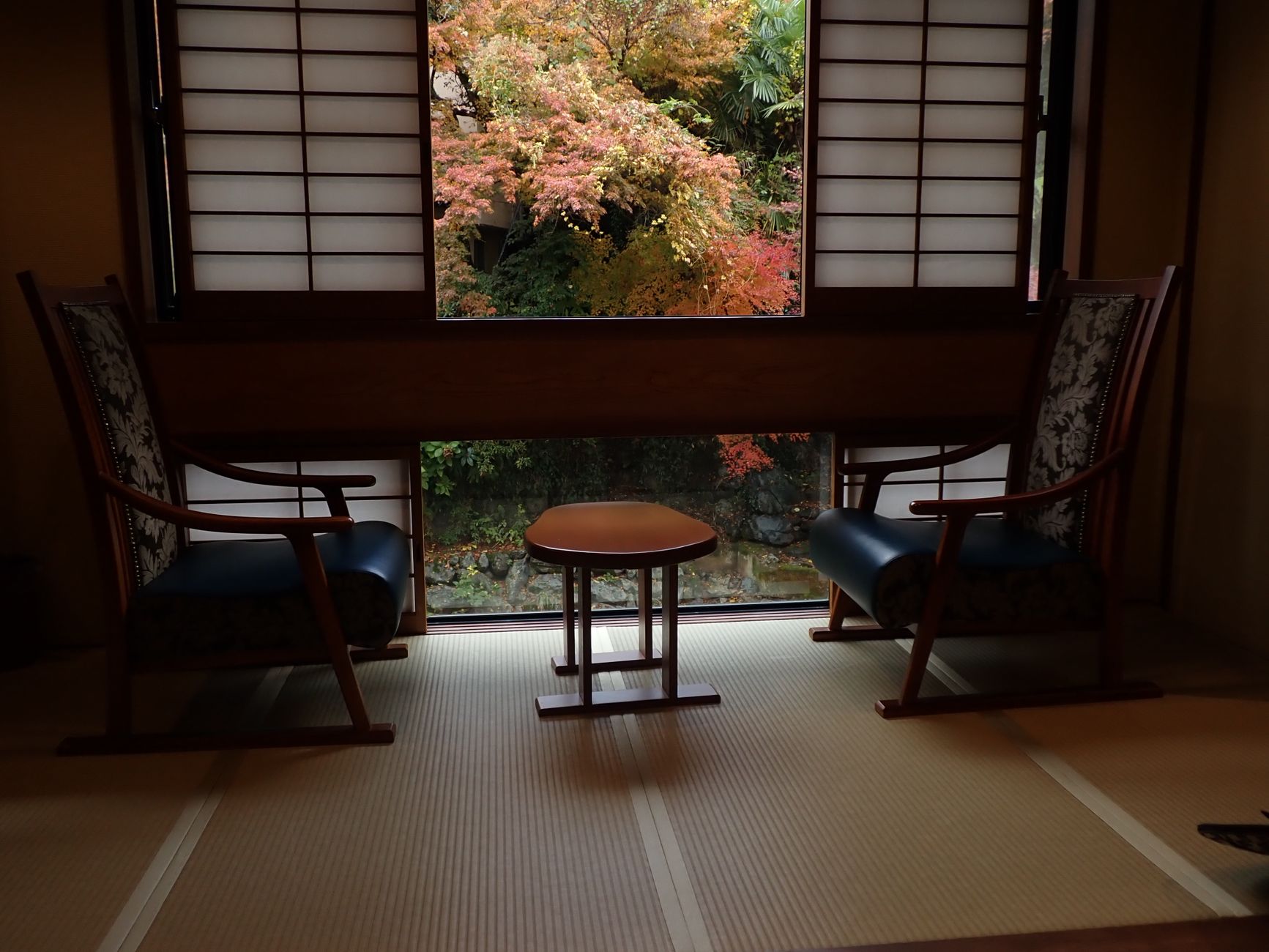
Upon entering your quarters, footwear is left at the sunken genkan. The flooring is composed of woven igusa rush matting, firm yet subtly resilient underfoot. The proportions of the chamber conform strictly to traditional tatami grid mathematics, creating an instinctive sense of psychological equilibrium.
Sliding shoji paper screens filter the afternoon light into a soft, non-directional radiance. As Jun'ichirō Tanizaki famously observed in his treaties on Japanese aesthetics, beauty in these spaces does not reside in brightly lit surfaces, but in the nuanced gradations of shadow cast across lacquer tables and tokonoma alcoves.
Observational Etiquette
- Genkan Transition: Always face shoes outward when leaving them at the entryway.
- Bathing Protocol: Wash and rinse thoroughly prior to stepping into the hot hinoki cedar ofuro.
- Tokonoma Honor: Never step into or place luggage within the decorative alcove housing the hanging scroll.
The Kaiseki Ritual
Dinner arrives course by course directly to your tatami chamber. The meal is an ephemeral poem reflecting the exact calendar week: freshly gathered matsutake mushrooms simmered in dashi broth, sweet sea bream cured between kelp sheets, and fragile persimmon jellies garnished with gold leaf.
To spend a solitary night here is to experience a living preservation of ancient Japanese philosophy, reminding travelers that attention to minuscule details is the highest form of hospitality.